
In the realm of pilates reformer classes, mastering proper form and technique is paramount for achieving optimal results and preventing injury.
This article delves into the common pitfalls encountered by practitioners, offering insights into avoiding missteps such as incorrect foot placement, improper alignment, breath-holding, excessive resistance use, and overlooking necessary modifications.
By understanding and rectifying these errors, individuals can enhance their Pilates practice and progress towards their fitness goals effectively.
Incorrect Foot Placement
The incorrect foot placement on the Pilates Reformer can lead to inefficiencies in movement and potential strain on the body. Proper foot alignment is paramount in achieving the full benefits of Pilates exercises while ensuring the safety of the practitioner. Placing the feet too close together or too far apart can destabilize the body, compromising balance and stability during movements. It is essential to position the feet hip-width apart, allowing for a solid foundation to support the body throughout the exercises.
Moreover, failing to maintain a neutral position of the feet can result in added stress on the ankles, knees, hips, and lower back. To prevent this, individuals should focus on keeping their feet parallel and evenly distributing their weight on the foot pads of the Reformer. By doing so https://la-pilatesstudio.com/, they can engage the correct muscle groups effectively, promoting proper alignment and reducing the risk of injury. Paying attention to foot placement may seem minor, but it plays a significant role in the overall quality and safety of Pilates workouts.
Improper Alignment
Improper alignment in Pilates Reformer classes can diminish the effectiveness of exercises and increase the risk of injury if not corrected promptly. Proper alignment is crucial for achieving optimal results and preventing strain on the body. One common mistake related to alignment is the misalignment of the spine. When the spine is not in a neutral position during exercises, it can lead to undue stress on the back muscles and potentially cause discomfort or injury.
Additionally, incorrect shoulder alignment can compromise the stability of movements, affecting the engagement of core muscles and reducing the overall effectiveness of the workout.
To avoid these pitfalls, participants in Pilates Reformer classes should pay close attention to their alignment throughout each exercise. Engaging the core muscles to support proper alignment of the spine and shoulders is essential for maintaining stability and maximizing the benefits of the movements. Instructors play a key role in guiding individuals to achieve and maintain correct alignment, ensuring a safe and effective workout experience. By prioritizing proper alignment, participants can enhance the quality of their Pilates practice and minimize the risk of injuries.
Holding Your Breath
Regularly holding your breath during Pilates Reformer classes can hinder the flow of movement and decrease the effectiveness of exercises. Proper breathing is essential in Pilates as it helps to oxygenate the muscles, maintain stability, and enhance overall performance. When you hold your breath, you create unnecessary tension in your body, which can lead to muscle fatigue and limit your range of motion.
In Pilates Reformer classes, each movement is designed to flow seamlessly from one to the next. By holding your breath, you disrupt this flow and make it harder to transition smoothly between exercises. Additionally, breath-holding can increase blood pressure and restrict oxygen flow to your muscles, diminishing the benefits you would otherwise gain from the workout.
To avoid this mistake, focus on coordinating your breath with each movement. Inhale during the preparation phase of an exercise and exhale as you exert effort or move against gravity. By maintaining a consistent and mindful breathing pattern, you can optimize your performance in Pilates Reformer classes and experience the full benefits of the exercises.
Using Excessive Resistance
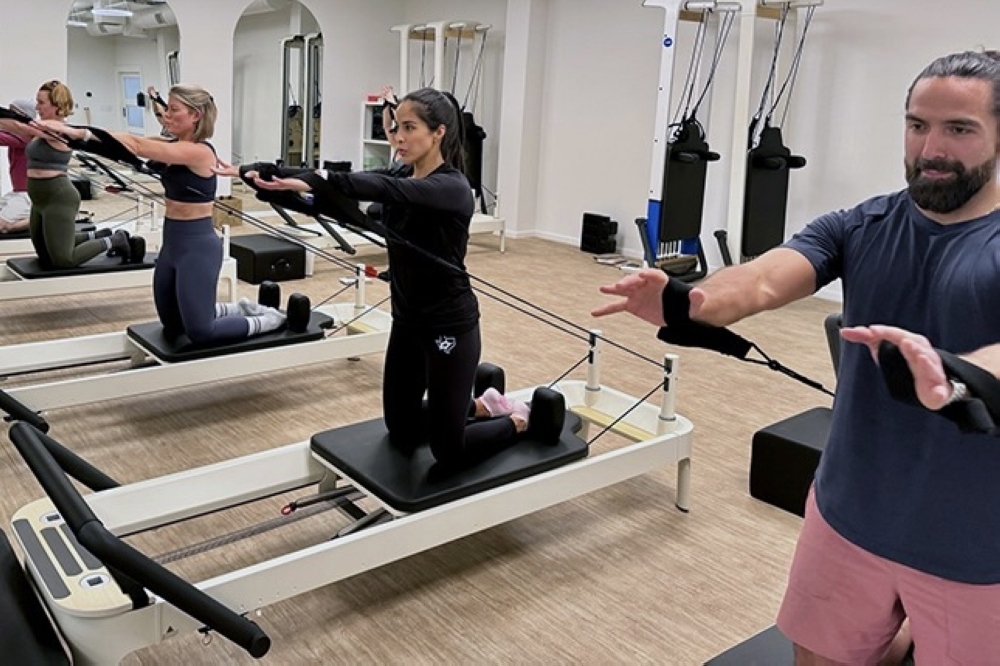
When using excessive resistance in Pilates Reformer classes, it is important to be mindful of the impact it can have on your form and muscle engagement. While it may be tempting to crank up the resistance to challenge yourself, doing so can lead to improper alignment and compromised technique. Excessive resistance can also place unnecessary strain on your muscles and joints, increasing the risk of injury.
Using too much resistance can cause you to recruit the wrong muscles to complete the exercises, diminishing the effectiveness of the workout and potentially leading to muscle imbalances. It is crucial to maintain a balance between challenging yourself and ensuring that you are using the correct muscles to perform the movements correctly.
To avoid this mistake, start with a lower resistance level and focus on performing the exercises with proper form. Gradually increase the resistance as you build strength and improve your technique. Remember, quality of movement is more important than quantity of resistance in Pilates Reformer classes.
Ignoring Modifications
Neglecting modifications in Pilates Reformer classes can hinder progress and increase the risk of injury by compromising proper muscle engagement and form. Modifications are essential in adapting exercises to suit individual needs, whether due to physical limitations, injuries, or varying fitness levels. Ignoring modifications can prevent clients from fully benefiting from the exercises and may lead to ineffective workouts or even injuries.
By disregarding modifications, individuals may not be able to perform exercises correctly, missing out on the intended muscle engagement and potential benefits. This can also result in reinforcing incorrect movement patterns, which can be detrimental in the long run. Instructors should always encourage clients to communicate any discomfort or challenges they face during the class, as this allows for timely modifications to be made to ensure a safe and effective workout.
Incorporating modifications not only enhances the overall Pilates experience but also promotes a deeper understanding of one’s body and its capabilities. It is crucial for both instructors and clients to prioritize modifications to optimize the effectiveness and safety of Pilates Reformer classes.
Conclusion
In conclusion, avoiding common mistakes in Pilates reformer classes is essential for achieving optimal results and preventing injuries.
By ensuring correct foot placement, maintaining proper alignment, breathing consistently, using appropriate resistance, and paying attention to modifications, participants can enhance their overall experience and maximize the benefits of their workouts.
It is important to focus on these key elements to improve technique and effectiveness in Pilates reformer classes.